

Have you ever sent someone a message and noticed “DND” on their profile? Or maybe a friend replied with, “Sorry, I was on DND mode.”
If you’ve been wondering what it means, you’re not alone.
The term DND is everywhere today from smartphones and social media apps to gaming platforms and workplace communication tools. But depending on where you see it, DND can have slightly different meanings.
In this guide, you’ll learn exactly what does DND mean, where people use it, why it’s so popular, and how to use it correctly in everyday conversations.
What Does DND Mean?
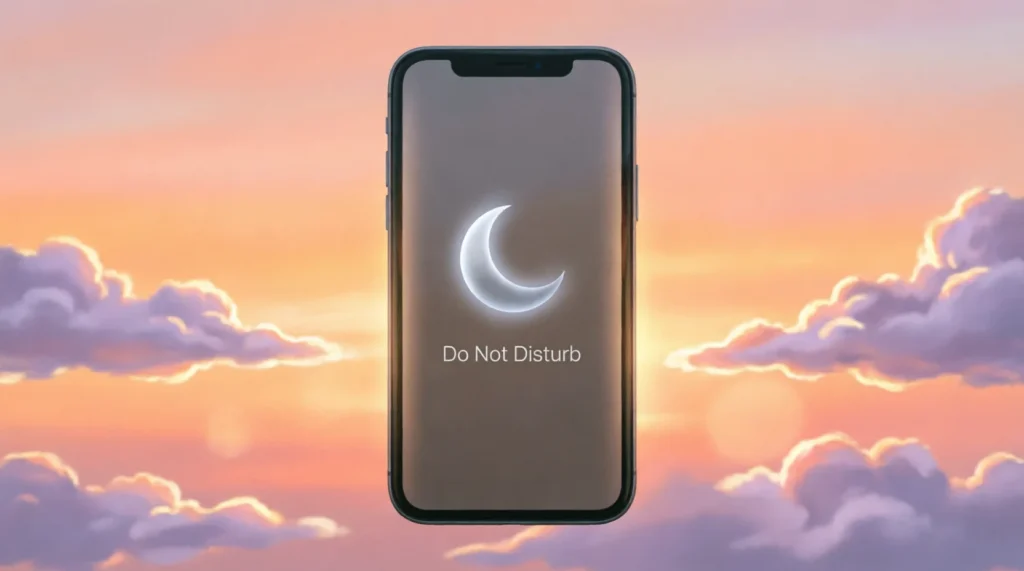
DND stands for “Do Not Disturb.”
It is a status, setting, or message that tells other people you don’t want to be interrupted by notifications, calls, messages, or distractions.
Quick Definition
DND (Do Not Disturb) is a feature or status used on phones, apps, games, and communication platforms to temporarily block notifications or indicate that a person is unavailable.
For example:
“I’m studying right now, so my phone is on DND.”
This means the person doesn’t want notifications interrupting them.
Simple Meaning
In simple words, DND means “please don’t disturb me right now.”
Think of it like hanging a sign on your bedroom door that says:
🚫 Do Not Disturb
The digital version works the same way.
When someone activates DND:
- Calls may be silenced
- Notifications may be hidden
- Messages won’t create alerts
- People know the user is busy
It’s a simple way to focus without constant interruptions.
Where Is It Used?

DND is used in many places online and offline.
Smartphones
Most modern smartphones include a built-in Do Not Disturb feature.
Examples:
- Android devices
- iPhones
- Tablets
- Smartwatches
When enabled, notifications become silent while important calls can still be allowed if configured.
Social Media Apps
Many apps allow users to show a DND status.
Examples include:
- Facebook Messenger
- Snapchat
People often use it when:
- Working
- Studying
- Sleeping
- Taking a break from social media
Gaming Platforms
Gamers frequently use DND mode.
Platforms include:
- Discord
- Steam
- Xbox
- PlayStation
When a gamer sets DND, friends know not to send invites or expect quick replies.
Workplace Communication
Professional communication tools also use DND.
Examples:
- Slack
- Microsoft Teams
- Zoom
Employees activate DND when:
- Attending meetings
- Working on important projects
- Avoiding distractions
Why Do People Use It?
There are several reasons why DND has become so popular.
Better Focus 🔥
Constant notifications can ruin concentration.
DND helps people focus on:
- Schoolwork
- Office tasks
- Reading
- Creative projects
Improved Productivity
Studies show that frequent interruptions reduce efficiency.
Using DND allows people to complete tasks faster.
Better Sleep 😴
Many people activate DND before bedtime.
This prevents:
- Late-night calls
- App notifications
- Message alerts
Mental Wellness ✅
Sometimes people simply need a break from technology.
DND helps reduce:
- Stress
- Screen distractions
- Notification overload
Respecting Personal Time
DND tells others:
“I’m not ignoring you—I’m just busy right now.”
This creates healthier communication boundaries.
Examples of DND in Real Life
Let’s look at some practical examples.
Example 1: Student
Friend: “Why didn’t you answer my texts?”
Student: “Sorry, my phone was on DND while I was studying.”
Meaning: Notifications were silenced to avoid distractions.
Example 2: Gamer
Player: “Why didn’t you join our match?”
Friend: “I was on DND.”
Meaning: They didn’t want gaming notifications or invitations.
Example 3: Employee
Coworker: “I tried messaging you earlier.”
Employee: “I had DND enabled during the meeting.”
Meaning: Work notifications were temporarily blocked.
Example 4: Sleeping
Person: “I didn’t hear your call.”
Friend: “My phone goes into DND automatically at night.”
Meaning: Calls and notifications are silenced during sleep hours.
DND vs Similar Terms
| Term | Meaning | Purpose |
|---|---|---|
| DND | Do Not Disturb | Prevent interruptions |
| AFK | Away From Keyboard | User is temporarily absent |
| Offline | Not connected to the internet | User isn’t active online |
| Busy | Occupied with tasks | Indicates limited availability |
| Invisible | Appears offline while online | Hides online presence |
Key Difference
- DND = Don’t interrupt me.
- AFK = I’m away.
- Offline = I’m not connected.
- Busy = I may respond slowly.
These terms are similar but not identical.
When Should You Use It?
Using DND is appropriate in many situations.
During Work
If you’re concentrating on an important project, DND can eliminate distractions.
While Studying
Students often activate DND during:
- Exams
- Homework
- Online classes
During Meetings
Nobody likes a phone ringing in the middle of a meeting.
DND prevents embarrassing interruptions.
While Sleeping
Many people schedule DND automatically every night.
During Family Time
Some users turn on DND while spending quality time with family and friends.
Common Misunderstandings
Many people misunderstand what DND actually means.
Misunderstanding #1: DND Means Ignoring People
⚠️ Not true.
A person using DND isn’t necessarily ignoring messages.
They’re simply choosing not to be interrupted right now.
Misunderstanding #2: Messages Don’t Arrive
Messages still arrive.
The difference is that notifications may be silenced.
Misunderstanding #3: DND Blocks Everything
Not always.
Many devices allow:
- Emergency calls
- Favorite contacts
- Important notifications
Misunderstanding #4: DND Is Only for Phones
DND is used across:
- Smartphones
- Computers
- Gaming platforms
- Messaging apps
- Work software
Pro Tips for Using DND
Want to use DND effectively? Follow these tips.
Set Automatic Schedules
Many devices allow scheduled DND periods.
For example:
- 10 PM to 7 AM
- During office hours
- While driving
Allow Emergency Contacts
Keep important people exempt from DND.
Examples:
- Family members
- Close friends
- Work emergencies
Use Status Messages
Some apps let you explain why you’re on DND.
Example:
“Working until 4 PM.”
This helps others understand your availability.
Combine DND With Focus Mode
Many phones offer Focus Modes that work alongside DND for maximum productivity.
Don’t Leave It On Forever
Remember to disable DND when you’re available again.
Otherwise, you might miss important updates.
FAQs:
What does DND mean in texting?
In texting, DND means Do Not Disturb. It indicates that a person has silenced notifications or doesn’t want interruptions at the moment.
What does DND mean on Instagram?
On Instagram, DND usually means the user has enabled a setting that pauses notifications or signals they’re unavailable.
Is DND the same as being offline?
No. Someone on DND can still be online and active. They simply don’t want notifications or interruptions.
Can people still call me when DND is enabled?
Yes, depending on your settings. Many devices allow calls from selected contacts or emergency numbers even when DND is active.
Final Thoughts:
Now you know exactly what does DND mean.
In most situations, DND stands for Do Not Disturb and is used to reduce interruptions from calls, messages, and notifications.
Whether you’re studying, working, gaming, or sleeping, DND helps create a distraction-free environment.
The next time you see someone using DND, you’ll understand that they’re probably busy not ignoring you. 😊
Discover more post:
| https://wordlymeaning.com/pfp-full-form/ |
| https://wordlymeaning.com/what-does-wyo-mean/ |
| https://wordlymeaning.com/housekeeping-meaning/ |
