

Have you ever heard someone say I need to do some housekeeping and wondered what they really meant?
At first glance, housekeeping sounds like something related only to cleaning a house. While that’s partly true, the term is used in many different situations, including hotels, offices, businesses, and even technology.
Understanding the housekeeping meaning can help you communicate more clearly and avoid confusion when you hear or use the word in everyday conversations.
In this guide, you’ll learn exactly what housekeeping means, where it’s used, why people use it, and how to use the term correctly in real life.
What Does Housekeeping Mean?
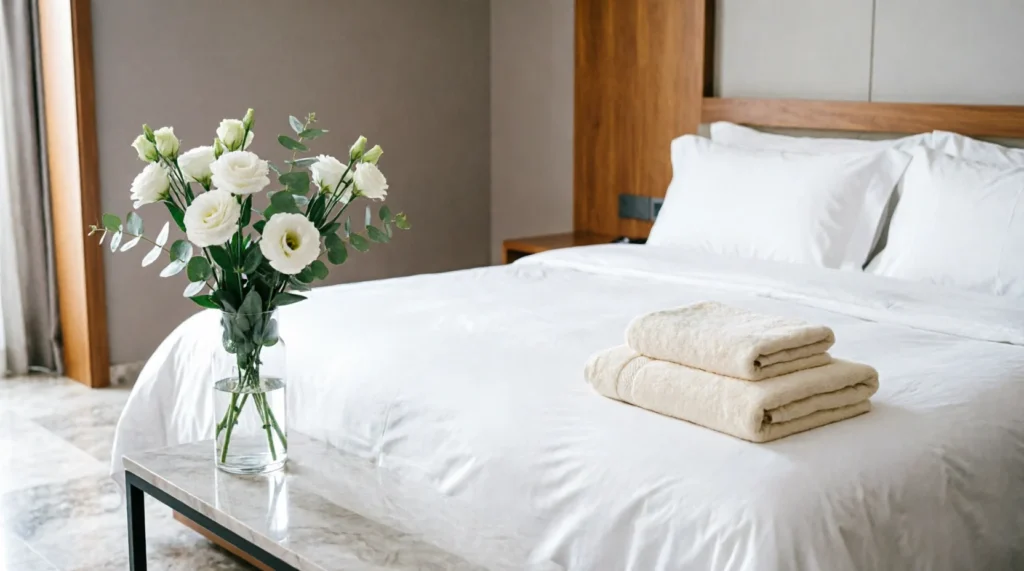
Housekeeping refers to the act of maintaining cleanliness, organization, order, and proper management of a space, system, or task.
Featured Snippet Definition
Housekeeping means keeping an area, environment, or system clean, organized, and functioning properly. While it commonly refers to cleaning homes and hotels, it can also describe routine maintenance in workplaces, businesses, and digital systems.
In simple terms, housekeeping is about taking care of things so they remain neat, safe, and efficient.
Simple Meaning of Housekeeping
The easiest way to understand housekeeping is this:
Housekeeping = Cleaning + Organizing + Maintaining
Think about everyday tasks like:
- Sweeping floors
- Making beds
- Washing dishes
- Organizing files
- Removing clutter
- Performing routine maintenance
All of these activities fall under housekeeping.
The goal is not just cleanliness but also creating a comfortable, safe, and productive environment.
Where Is Housekeeping Used?
The word housekeeping appears in many different situations. Here are the most common ones.
Housekeeping in Homes
This is the most familiar use of the term.
Examples include:
- Cleaning rooms
- Doing laundry
- Dusting furniture
- Organizing closets
- Taking out trash
Many families create housekeeping schedules to keep their homes tidy.
Housekeeping in Hotels
In the hospitality industry, housekeeping refers to staff responsible for maintaining guest rooms and public areas.
Typical duties include:
- Changing bed linens
- Cleaning bathrooms
- Vacuuming floors
- Replacing towels
- Restocking supplies
Good housekeeping often determines a guest’s overall experience.
Housekeeping in Offices
Businesses use housekeeping practices to maintain a professional work environment.
Examples include:
- Keeping desks organized
- Cleaning common areas
- Managing paperwork
- Maintaining equipment
A clean office often improves employee productivity.
Housekeeping in Technology
Interestingly, housekeeping is also used in the digital world.
Examples include:
- Deleting unnecessary files
- Updating software
- Backing up data
- Clearing cache
- Organizing databases
Tech professionals often refer to these maintenance tasks as digital housekeeping.
Housekeeping in Meetings
You may hear phrases like:
“Before we start, let’s cover a few housekeeping items.”
In this context, housekeeping refers to important announcements, reminders, or logistical details before the main discussion begins.
Why Do People Use the Term Housekeeping?
People use the word because it describes more than just cleaning.
Housekeeping helps:
Maintain order
Improve safety
Increase efficiency
Reduce stress
Create a better environment
Whether it’s a home, hotel, office, or computer system, regular housekeeping prevents problems before they happen.
Think of it as preventive maintenance for everyday life.
Real-Life Examples of Housekeeping
Let’s look at some practical examples.
Example 1: At Home
Sentence: “I spent Saturday doing housekeeping around the house.”
Meaning: The person cleaned, organized, and completed household chores.
Example 2: In a Hotel
Sentence: “Housekeeping cleaned our room while we were out.”
Meaning: Hotel staff cleaned and prepared the guest room.
Example 3: In an Office
Sentence: “The manager asked everyone to improve housekeeping in their workstations.”
Meaning: Employees should keep their desks organized and tidy.
Example 4: In Technology
Sentence: “The IT team performed server housekeeping.”
Meaning: They carried out routine maintenance tasks to keep systems running smoothly.
Example 5: During a Meeting
Sentence: “Let’s discuss a few housekeeping matters before the presentation.”
Meaning: Important administrative details will be addressed first.
Housekeeping vs Similar Terms
Many people confuse housekeeping with other related terms.
| Term | Meaning | Main Focus |
|---|---|---|
| Housekeeping | Cleaning, organizing, and maintenance | Overall upkeep |
| Cleaning | Removing dirt and mess | Cleanliness |
| Maintenance | Keeping things functional | Repairs and upkeep |
| Organization | Arranging items systematically | Orderliness |
| Janitorial Work | Professional cleaning services | Commercial cleaning |
Key Difference
Housekeeping is broader because it includes cleaning, organizing, and maintaining a space or system.
When Should You Use Housekeeping?
Use the term when referring to routine tasks that help keep things organized and functioning properly.
Appropriate situations include:
At Home
- Daily chores
- Weekly cleaning routines
- Organizing storage areas
At Work
- Desk organization
- Workplace cleanliness
- Administrative reminders
In Hospitality
- Room cleaning
- Guest services
- Property maintenance
In Technology
- System maintenance
- File organization
- Data cleanup
During Events or Meetings
- Announcements
- Safety instructions
- Administrative updates
Using the term correctly makes your communication sound more professional and precise.
Common Misunderstandings About Housekeeping
Many people misunderstand what housekeeping actually means.
Misunderstanding #1: It’s Only About Cleaning
⚠️ Not true.
Housekeeping includes organizing, maintaining, and managing tasks—not just cleaning.
Misunderstanding #2: Only Housekeepers Do Housekeeping
⚠️ Incorrect.
Anyone can perform housekeeping tasks, whether at home, work, or online.
Misunderstanding #3: It’s Only Used in Homes
⚠️ False.
Housekeeping is widely used in hotels, offices, healthcare facilities, factories, and technology environments.
Misunderstanding #4: Housekeeping Is Unimportant
⚠️ Definitely not.
Good housekeeping improves safety, productivity, and efficiency in nearly every setting.
Pro Tips for Using the Word Housekeeping
Want to sound more natural when using the term? Follow these tips.
🔥 Understand the Context
The meaning changes slightly depending on where it’s used.
For example:
- Hotel housekeeping = room cleaning services
- Meeting housekeeping = announcements
- IT housekeeping = system maintenance
🔥 Use It Professionally
The term is common in business communication.
Example:
“Before moving forward, let’s discuss a few housekeeping matters.”
🔥 Don’t Assume It Means Cleaning Only
Remember that organization and maintenance are also important parts of housekeeping.
🔥 Recognize Industry Usage
Different industries use the word differently, but the core idea remains the same: maintaining order and functionality.
FAQs:
Is housekeeping only about cleaning?
No. Housekeeping includes cleaning, organizing, maintaining, and managing tasks that keep a space or system functioning properly.
What does housekeeping mean in a hotel?
In hotels, housekeeping refers to staff who clean rooms, replace linens, restock supplies, and maintain guest areas.
What are housekeeping items in a meeting?
Housekeeping items are announcements, reminders, schedules, safety instructions, or logistical details discussed before the main meeting begins.
What does housekeeping mean in technology?
In technology, housekeeping refers to routine maintenance tasks such as deleting unnecessary files, updating systems, organizing data, and improving performance.
Final Thoughts:
The housekeeping meaning goes far beyond simple cleaning. It refers to maintaining cleanliness, organization, order, and efficiency in homes, hotels, workplaces, meetings, and even digital systems.
Whether you’re tidying a room, managing office files, preparing a hotel suite, or maintaining a computer network, housekeeping helps everything run more smoothly.
Understanding this versatile term allows you to use it confidently in both personal and professional situations.
Good housekeeping isn’t just about appearance it’s about creating an environment where people and systems can perform at their best. ✅
Discover more post:
| https://wordlymeaning.com/wyo-meaning-in-text/ |
| https://wordlymeaning.com/pfp-full-form/ |
| https://wordlymeaning.com/what-does-wyo-mean/ |
